
Cluster C — Core service · 6 min read
Palm Tree Care After a Texas Freeze: Trim, Wait or Remove?
By San Antonio Tree Care Team•Published: 2026-03-20•Updated: 2026-10-09
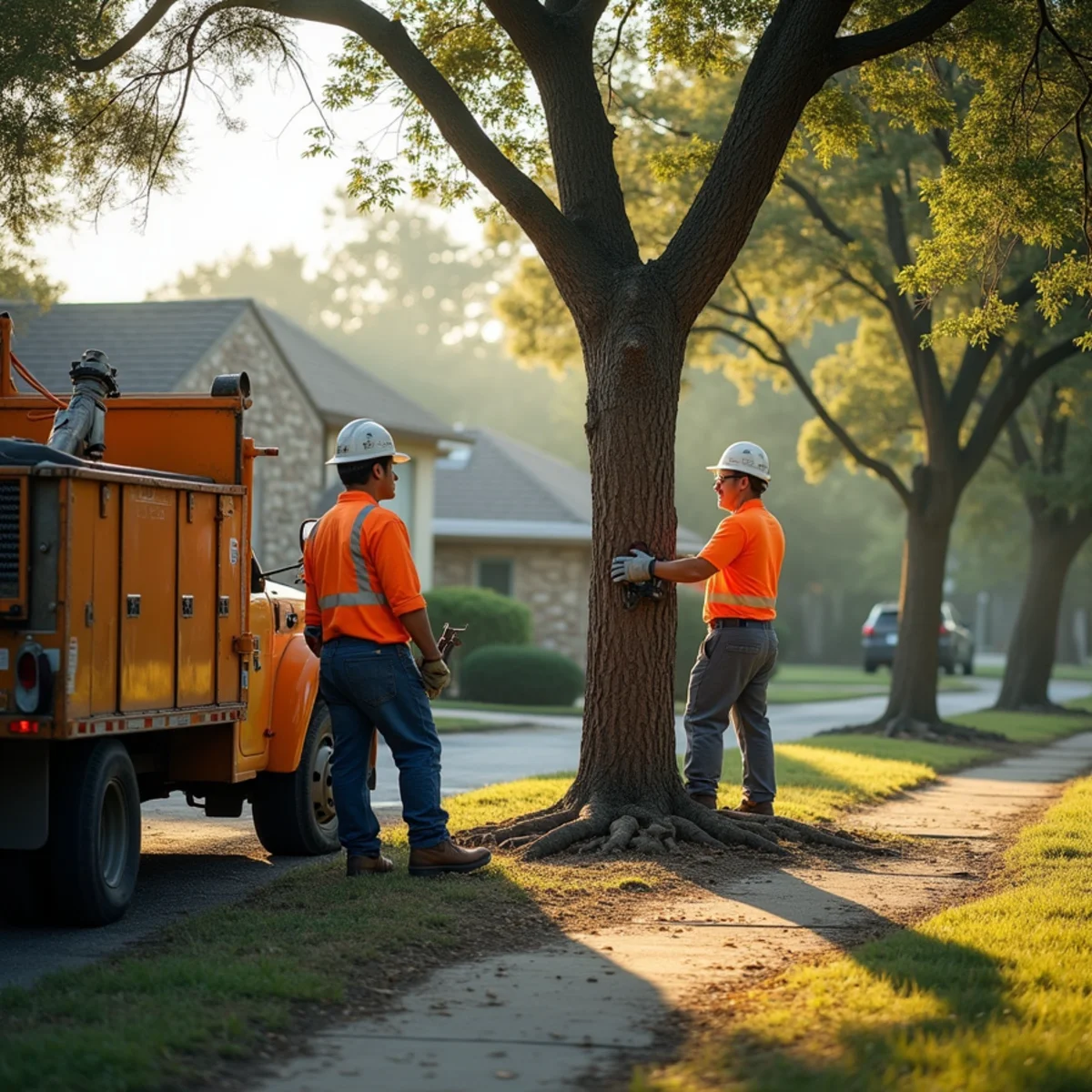
The South Texas Freeze Reality: How Historic Cold Attacks Tropical Palms
San Antonio and Central Texas lie in USDA Hardiness Zone 8b/9a, an ecological transition zone where Mediterranean and subtropical palm species thrive during long, hot summers but face catastrophic damage during periodic arctic freeze events (such as Winter Storm Uri and subsequent polar plunges).
Unlike hardwood trees that possess multiple dormant buds along their branches, palm trees are monocots (more closely related to grasses and bamboo) possessing a single apical meristem—the central growing heart or bud located at the very crown of the trunk. If freezing temperatures penetrate and kill this central bud, the palm cannot produce new fronds and dies permanently.
Species Cold Hardiness: Fan Palms, Date Palms & Queen Palms Compared
Cold tolerance varies dramatically among the palm species planted across Bexar County landscapes. Understanding your palm species is the first step in assessing post-freeze viability:
• Mexican Fan Palm (Washingtonia robusta): Tolerates cold down to 20°F. Fronds brown and collapse, but mature specimens often survive freezes if trunk tissue remains insulated.
• California Fan Palm (Washingtonia filifera): Significantly hardier, withstanding temperatures down to 10°F to 15°F with minimal terminal bud damage.
• Texas Sabal / Palmetto (Sabal mexicana): Native to South Texas; completely cold-hardy down to 10°F or lower with outstanding freeze resilience.
• Pindo Palm (Butia capitata): Highly cold-tolerant feather palm, surviving temperatures down to 12°F.
• Queen Palm (Syagrus romanzoffiana): Extremely tender subtropical palm; suffers fatal meristem death when temperatures drop below 24°F for extended durations.
Call back within 15 minutes, on site within 2 hours inside Loop 1604
Dealing with Tree Hazards on Your Property?
Call our licensed San Antonio arborists now for 24/7 emergency dispatch or a free on-site estimate.
City of San Antonio Tree License · $1M+ General Liability · Zero Obligation Estimates
The Post-Freeze Waiting Period: Why You Must Never Rush to Cut in Spring
The most common mistake San Antonio homeowners make following a severe freeze is prematurely cutting down palms that appear completely dead. In the immediate aftermath of an arctic blast, virtually all fronds turn brown, tan, or copper. This dramatic foliar browning is superficial freeze burn and does not necessarily indicate that the central growing bud is dead.
Certified arborists recommend an absolute waiting period of 60 to 90 days following a winter freeze. Do not prune brown fronds or remove trunks in February or March. Palm vascular recovery requires sustained spring soil temperatures above 70°F (typically late April through June). Waiting allows the apical meristem time to awaken and push out new spear leaves, revealing whether the tree is alive.
The Spear Pull Test: The Definitive Diagnostic Benchmark
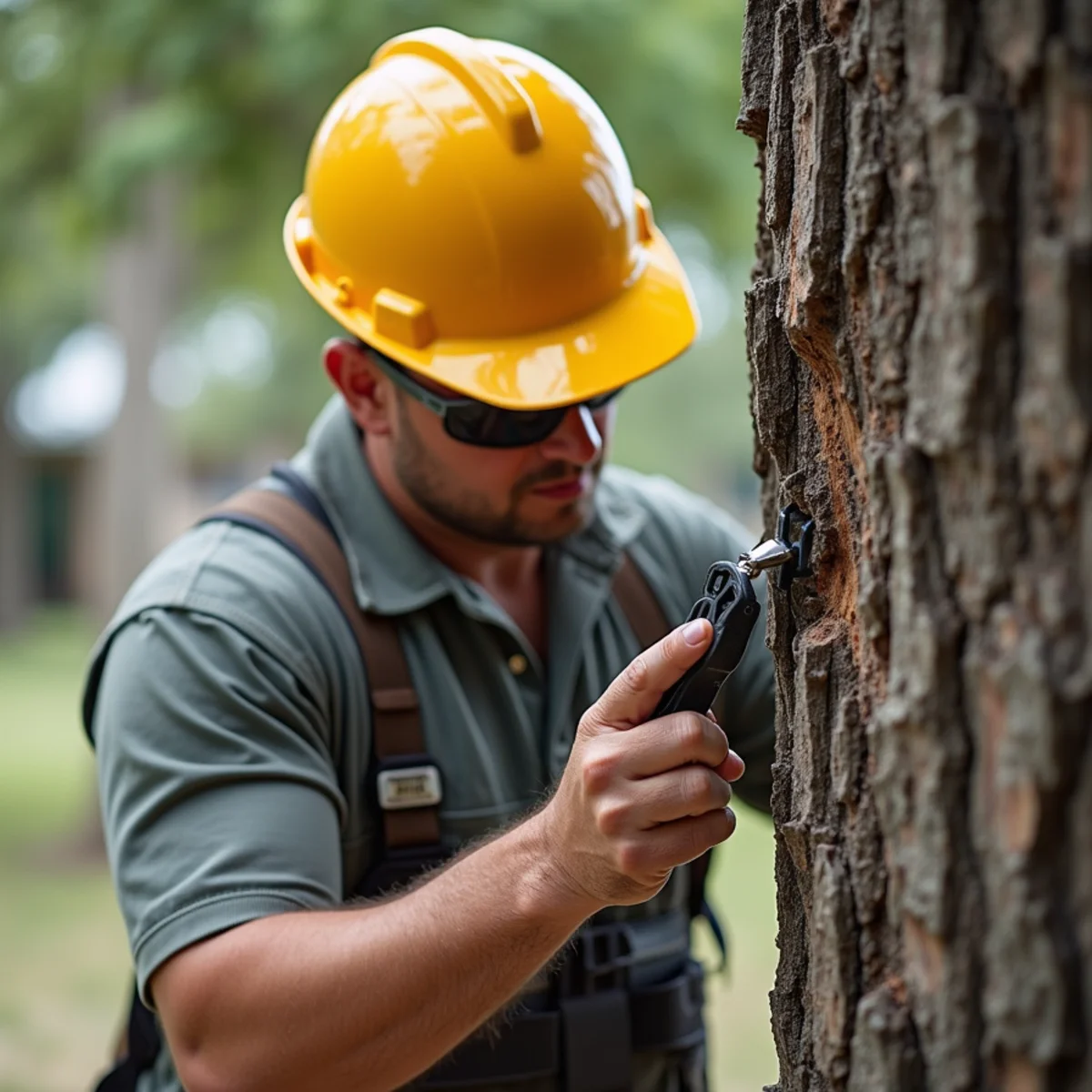
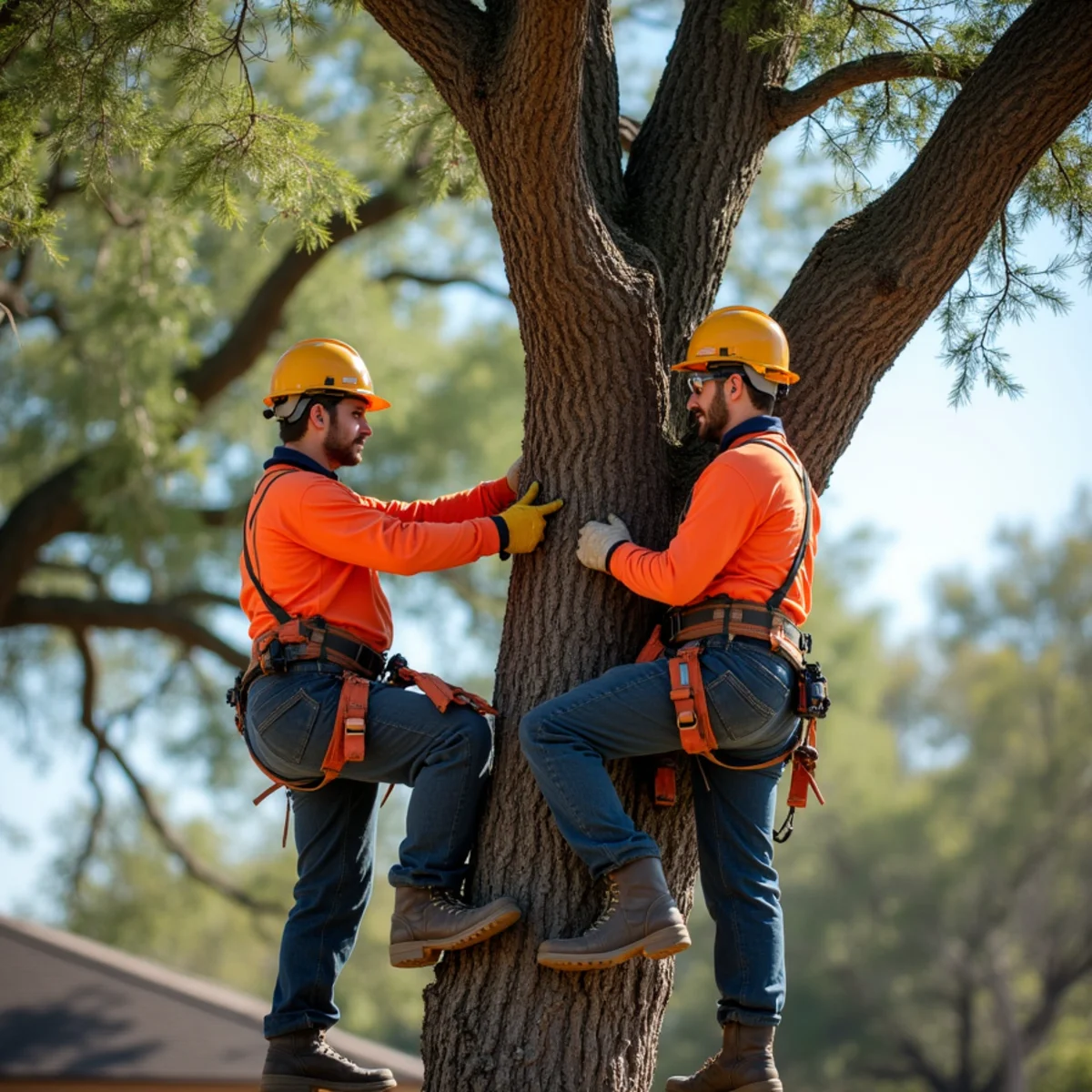
To determine whether a freeze-damaged palm is alive or dead without cutting it down, certified arborists perform the spear pull test in late spring. The spear leaf is the youngest, unopened central frond emerging directly from the middle of the crown.
An arborist gently grasps the base of the central spear and pulls upward with moderate pressure. If the spear remains firmly anchored and resists pulling, the growing heart is alive and recovery is likely. If the central spear slides out effortlessly with a soft, rotted, foul-smelling base, the apical meristem has suffered fatal tissue necrosis and fungal decay; the palm is biologically dead and must be removed.
Post-Freeze Canopy Pruning Protocols: Protecting the Trunk from Sunburn
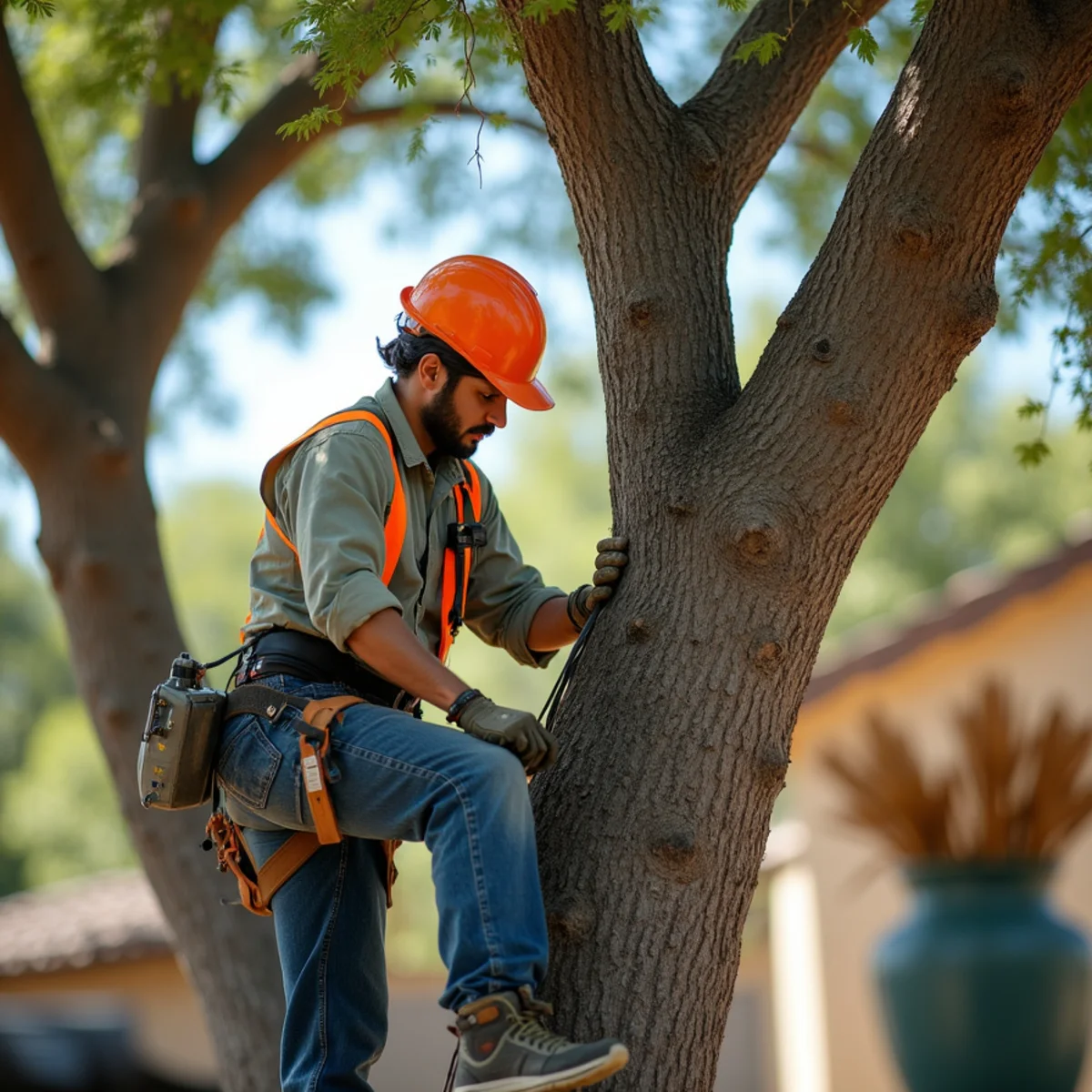
Once warm weather arrives and new green fronds begin to emerge, proper pruning techniques must be observed. Only prune fronds that are completely brown and collapsed downward along the trunk. Never cut fronds that retain even partial green tissue along their petiole or leaflets; green tissue continues to manufacture carbohydrates needed for recovery.
Do not remove fronds that point upward or horizontally. Pruning off too many fronds—a harmful practice known as hurricane pruning—exposes the soft, tender young spear leaf to intense summer sunscald and wind damage. Furthermore, retain the natural frond skirt along the upper trunk to protect the sensitive vascular stem from thermal shock.
Common Questions Related to This Guide
Wait at least 60 to 90 days after the freeze event—typically until late May or early June. Palms require sustained warm spring temperatures to push out new spear growth, and premature removal often destroys palms that would have recovered fully.
Related Services & Local Coverage
Explore professional services and local neighborhoods mentioned in this guide:
Call back within 15 minutes, on site within 2 hours inside Loop 1604
Protect Your Trees & Property with San Antonio's Best
Speak with our certified arborist team today. Transparent estimates, licensed crews, and 24/7 response.
City of San Antonio Tree License · $1M+ General Liability · Zero Obligation Estimates