
Cluster D — Local · 6 min read
Cedar Clearing in the Hill Country: Allergies, Wildfire and What to Keep
By San Antonio Tree Care Team•Published: 2026-03-20•Updated: 2026-10-09
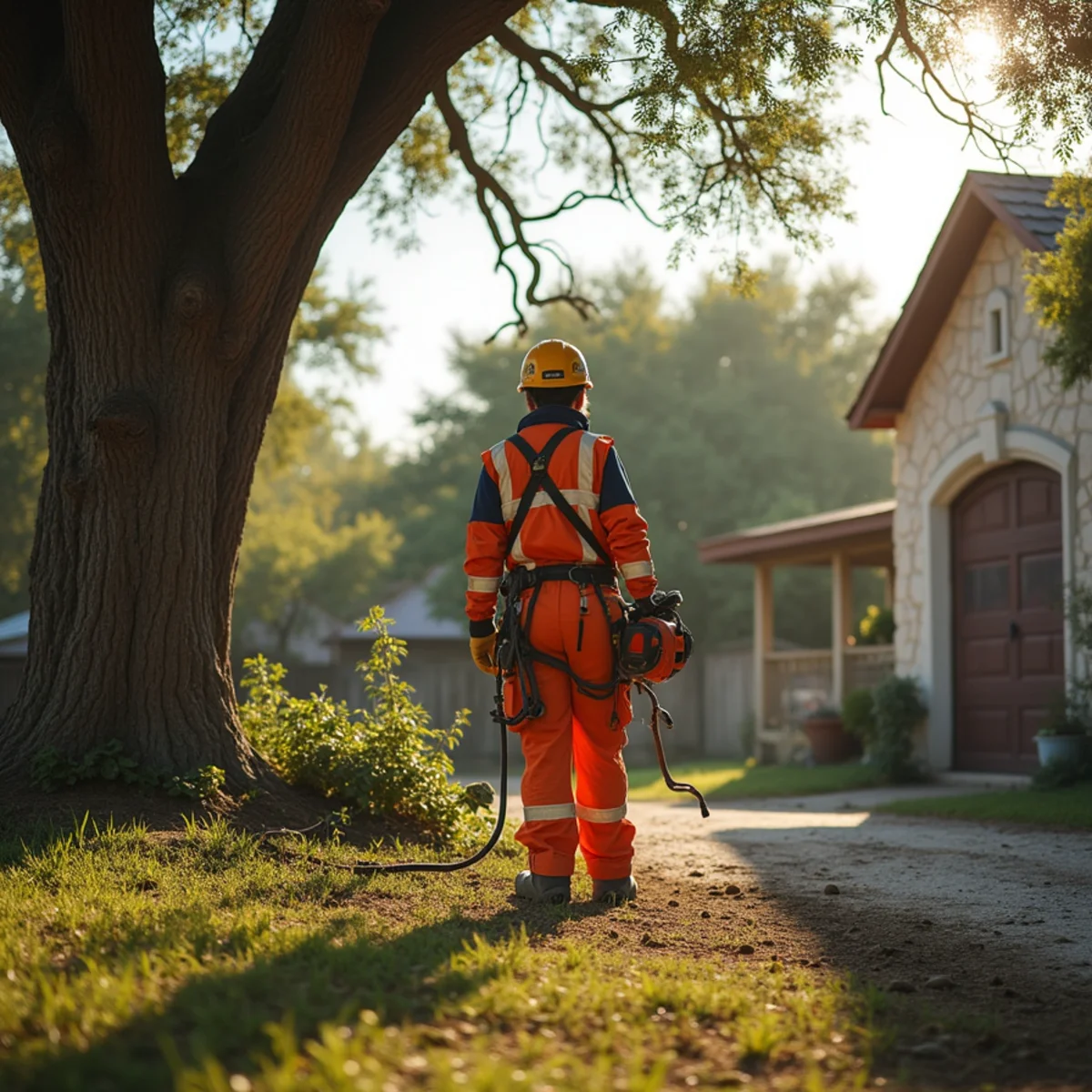
The Ashe Juniper Invasion: Why Cedar Dominates the Texas Hill Country
Ashe juniper (Juniperus ashei)—universally known across South and Central Texas as 'mountain cedar' or simply 'cedar'—is a native evergreen conifer that has aggressively transformed the Texas Hill Country. Historically held in check by periodic natural grass fires and bison grazing, cedar populations exploded over the past century following fire suppression and extensive ranch overgrazing.
Today, dense cedar thickets carpet thousands of acres across northern Bexar, Comal, Kendall, and Bandera counties. Unmanaged cedar creates dense monocultures that outcompete native live oaks, Spanish oaks, and Texas grasses, transforming open savannas into impenetrable, fire-prone brushlands.
Ecological Impacts: Groundwater Interception & Native Grass Displacement
Cedar is an aggressive hydrologic competitor. Mature Ashe juniper trees possess dense, umbrella-like canopies that intercept up to 35% of light rainfall before moisture ever touches the soil. Furthermore, cedar trees develop shallow, lateral fibrous root networks that rapidly absorb soil moisture from fragile Edwards Aquifer recharge zones.
Underneath a dense cedar canopy, fallen needles produce thick, resinous duff mats containing natural allelopathic compounds that suppress the germination of native perennial bunchgrasses (such as little bluestem and side-oats grama) and hardwood seedlings. Clearing invasive cedar restores natural sunlight, stimulates dormant native grass seedbanks, and dramatically improves rainwater infiltration into regional aquifers.
Call back within 15 minutes, on site within 2 hours inside Loop 1604
Dealing with Tree Hazards on Your Property?
Call our licensed San Antonio arborists now for 24/7 emergency dispatch or a free on-site estimate.
City of San Antonio Tree License · $1M+ General Liability · Zero Obligation Estimates
Clearing Methodologies Compared: Forestry Mulching vs. Bulldozer Pushing
Landowners clearing cedar in the Hill Country generally choose between two primary mechanical methods: modern forestry mulching and traditional bulldozer clearing. Understanding the trade-offs is critical to protecting your land:
• Forestry Mulching: Utilizing high-horsepower rubber-tracked mulchers equipped with high-speed drum shredders, cedar trees are pulverized flush with the ground in a single pass. Mulching creates zero burn piles, causes minimal disturbance to fragile limestone topsoil, and leaves a beneficial organic mulch carpet that prevents soil erosion.
• Bulldozer Pushing: Traditional bulldozers push cedar into massive burn piles. While effective for clearing large rock-free acreage, bulldozers frequently scrape away precious topsoil, scar limestone bedrock, and create massive dirt-filled brush piles that take months or years to burn.

Wildfire Defense & Creating 30-to-100-Foot Defensible Space
Ashe juniper is colloquially termed the 'gasoline tree' of Texas due to its extraordinarily high concentration of volatile aromatic terpene oils. During hot, dry South Texas summers, dense cedar stands act as catastrophic wildfire fuel ladders, carrying ground fires directly into the crowns of mature live oaks and residential eaves.
Creating defensible space around Hill Country homes and ranch structures is an essential safety measure. Our crews establish a multi-tiered defensible buffer: clearing 100% of cedar within 30 feet of homes, thinning cedar stands and elevating lower hardwood branches 6 to 10 feet up within the 30-to-100-foot zone, and breaking continuous fuel ladders to ensure local volunteer fire departments can safely defend your residence.
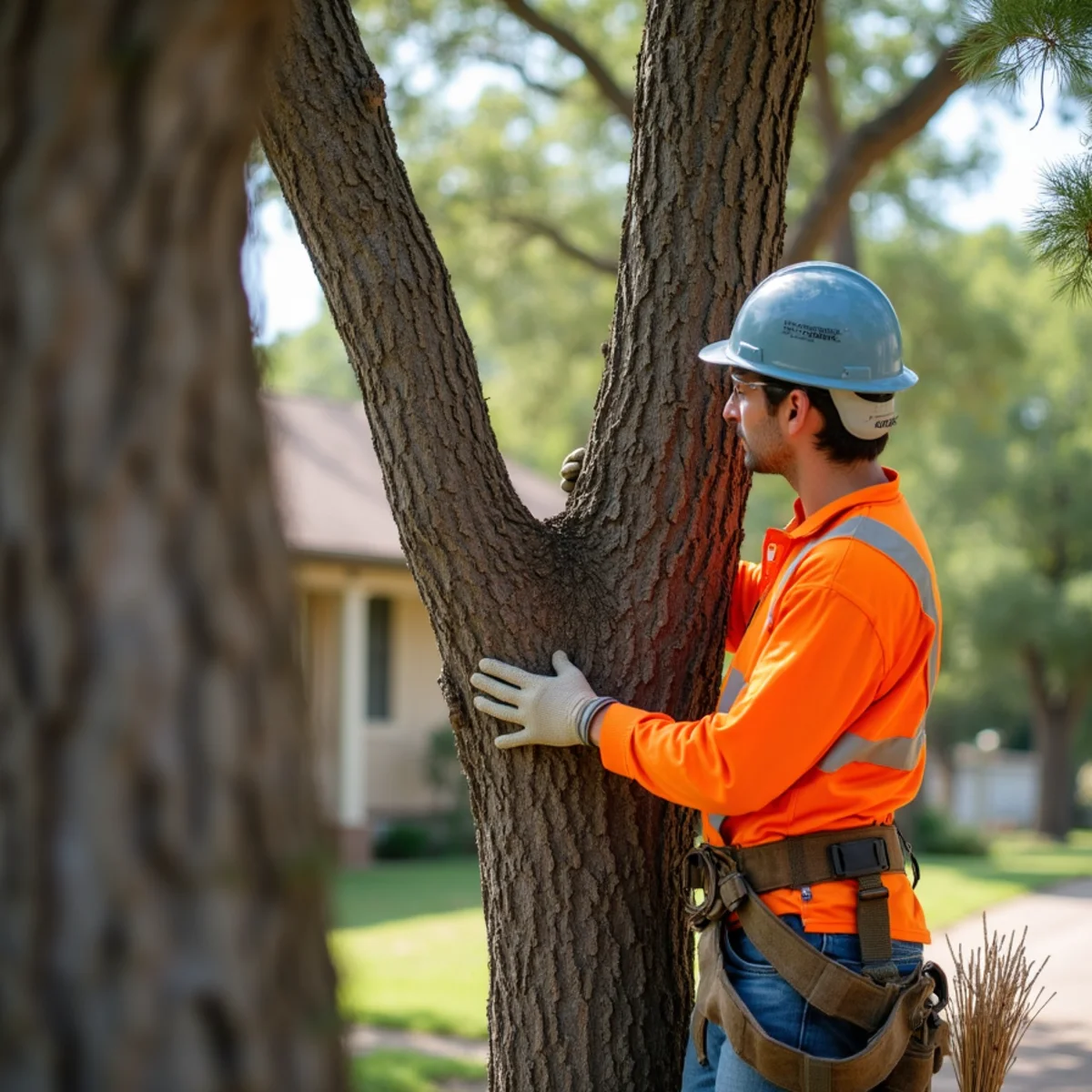
Selective Hardwood Preservation: Protecting Live Oaks, Spanish Oaks & Madrones
Quality cedar clearing is an art of selective preservation, not indiscriminate clear-cutting. Our operators possess expert botanical knowledge, carefully navigating around valuable native Texas hardwoods such as specimen Live Oaks, Texas Red Oaks, Escarpment Black Cherries, and rare Texas Madrones.
Where mature live oaks are hemmed in by choking cedar thickets, we meticulously hand-clear cedar branches woven through the oak canopy, preventing mechanical bark damage. We also leave strategic clusters of mature cedar in natural limestone draws and steep ravines to provide mandatory nesting habitat for the endangered Golden-cheeked Warbler.
Common Questions Related to This Guide
Yes. Studies by Texas A&M AgriLife and water conservation districts demonstrate that selective cedar removal reduces canopy interception and evapotranspiration, allowing significantly more rainwater to recharge groundwater aquifers and revive natural limestone springs.
Related Services & Local Coverage
Explore professional services and local neighborhoods mentioned in this guide:
Call back within 15 minutes, on site within 2 hours inside Loop 1604
Protect Your Trees & Property with San Antonio's Best
Speak with our certified arborist team today. Transparent estimates, licensed crews, and 24/7 response.
City of San Antonio Tree License · $1M+ General Liability · Zero Obligation Estimates